
10 Traditional Korean Teas for a More Mindful Journey
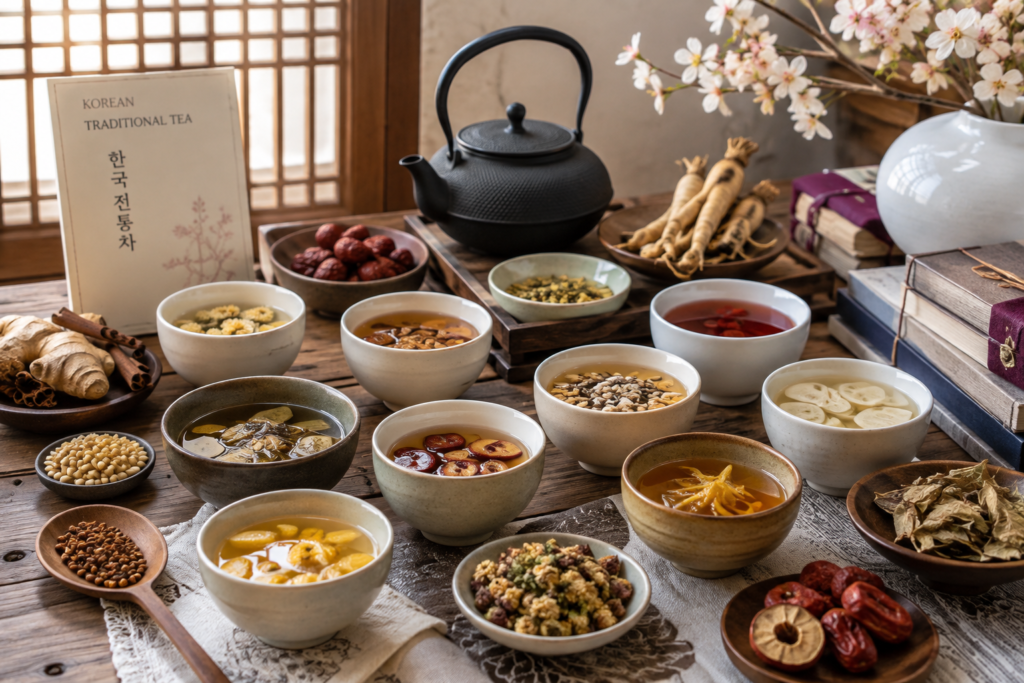
South Korea has become one of Asia’s most captivating travel destinations, welcoming millions of international visitors each year. From the global influence of K-pop and K-dramas to the growing fascination with Korean beauty, cuisine, and culture, more and more travelers are discovering the unique blend of tradition and modernity that makes Korea so special.
If South Korea is on your list of dream destinations, you’re in for something truly memorable. From the charming traditional houses of Bukchon Hanok Village and the grandeur of Gyeongbokgung Palace to the peaceful landscapes of Jeju Island, there is so much beauty and history waiting to be explored.
But Korean wellness isn’t found only in beautiful landscapes, spas, or wellness retreats. It is also woven into everyday rituals, and one of the most beautiful is the simple pleasure of drinking tea.
Unlike conventional tea made from the Camellia sinensis plant, many traditional Korean teas are infusions made from fruits, roots, flowers, leaves, and grains. They offer an incredible variety of flavours, aromas, and textures, while creating an opportunity to slow down and savour the moment.
So, while you’re exploring South Korea, why not take a break from sightseeing and enjoy a quiet cup of traditional Korean tea?
Here are 10 Korean teas worth discovering on your next journey.
1. Cinnamon Ginger Tea — 계피생강차 (Gyepisaenggang-cha)
This is personally one of my favourite Korean teas. It is wonderfully warm, comforting, and incredibly aromatic, perfect for a chilly afternoon or a quiet moment of relaxation.
Gyepisaenggang-cha is traditionally made with cinnamon bark and fresh ginger. Depending on the recipe, it may also include jujube, pine nuts, honey, or sugar. Korean tourism sources list Cinnamon and Ginger Tea as one of Korea’s traditional tea varieties.
The flavour is beautifully layered: woody and aromatic from the cinnamon, with a gentle spicy warmth from the ginger. The warming sensation makes it particularly comforting during cooler weather.
Ginger has also been studied for its potential to help with certain types of nausea, while cinnamon contains naturally occurring antioxidant compounds.
Wellness moment: Enjoy it slowly after a long day of exploring, allowing the warmth and aroma to create a moment of calm.
2. Ginseng Tea — 인삼차 (Insam-cha)
South Korea is renowned for its ginseng, making Insam-cha one of the country’s most iconic traditional wellness drinks.
Made from Korean ginseng root, this tea has a distinctive earthy, woody, and slightly bitter flavour with a deeply herbal aroma. If the bitterness is not quite to your taste, a touch of honey can create a softer and more delicate flavour.
Ginseng has been traditionally valued for vitality and stamina. Modern research suggests that Asian ginseng may have a small beneficial effect on general fatigue, and some studies have explored possible effects on cognitive function. However, the evidence remains mixed, so it is best enjoyed as part of an overall balanced lifestyle rather than as a cure or treatment.
Wellness moment: Think of it as a traditional Korean ritual for slowing down and reconnecting with yourself, not simply a drink for an energy boost.
3. Jujube Tea — 대추차 (Daechu-cha)
If you enjoy naturally sweet and comforting drinks, Jujube Tea deserves a place on your Korean tea journey.
Daechu-cha is made by simmering dried jujube fruits, allowing their natural sweetness and rich flavour to infuse into the water. Ginger or pear may also be added, and some versions are finished with a little honey.
The result is a beautifully mellow, fruity tea with a gentle sweetness that feels almost like a warm dessert in a cup.
Jujube tea has traditionally been associated with relaxation, stress, and restful sleep in Korean tea culture.
Wellness moment: This is a beautiful tea to enjoy in the evening when you want to put the day’s activities aside and create a little space for yourself.
4. Five Flavours Tea — 오미자차 (Omija-cha)
Imagine experiencing five different flavours in a single sip.
Omija-cha is made from dried Schisandra chinensis berries, known in Korea as omija. The name refers to the five flavours traditionally associated with the fruit: sweet, sour, bitter, salty, and spicy.
This makes Omija one of the most fascinating Korean teas to experience. Its flavour is vibrant and complex, with a distinctive aroma and a refreshing tartness.
Traditionally, dried omija berries are gently brewed and often served with honey. The tea is particularly refreshing when enjoyed chilled during warmer weather.
Wellness moment: If you’re looking for something beyond the familiar, Omija is a wonderful introduction to the more adventurous side of Korean tea culture.
5. Buckwheat Tea — 메밀차 (Memil-cha)
For those who love nutty, toasted flavours, Buckwheat Tea is a must-try.
Known as Memil-cha in Korean, this tea is made from roasted buckwheat grains. The roasting creates a beautifully comforting aroma and a flavour that is nutty, earthy, slightly toasted, and gently savoury.
One of its greatest appeals is that it is naturally caffeine-free, making it a wonderful alternative when you want something warm and comforting without the stimulation of coffee or traditional tea.
Buckwheat also contains naturally occurring compounds such as rutin, which contribute to its nutritional appeal.
Wellness moment: Enjoy a warm cup in the afternoon when you want something soothing and grounding without caffeine.
6. Lotus Tea — 연꽃차 (Yeonkkot-cha)
Few Korean teas are as beautiful to experience as Lotus Tea.
Lotus has been used as tea in Korea for generations, and different parts of the plant, including its flowers, leaves, roots, and seeds, are traditionally used in Korean cuisine and tea culture. Lotus flowers can be dried and brewed to create a delicate floral infusion.
The tea has a subtle sweetness and delicate floral fragrance, making it particularly appealing for those who enjoy elegant and understated flavours.
Rather than focusing on claims about “detoxing” or weight loss, think of Lotus Tea as a beautiful sensory experience, one that connects you with nature and the contemplative side of Korean tea culture.
Wellness moment: Pair it with a few minutes of quiet meditation, journaling, or simply watching the world go by.
7. Persimmon Leaf Tea — 감잎차 (Gamnip-cha)
You may know persimmons for their beautiful orange fruit, but in Korea, the leaves also have a place in traditional tea culture.
Gamnip-cha is made from dried persimmon leaves and has a mild, clean, earthy flavour with a subtle bitterness.
Persimmon leaves contain naturally occurring compounds including flavonoids and other antioxidants. Rather than viewing the tea as a medicinal remedy, it can be enjoyed as one of many plant-based infusions that add variety to a balanced lifestyle.
Wellness moment: Its gentle flavour makes it a lovely choice when you want something subtle and uncomplicated.
8. Chrysanthemum Tea — 국화차 (Gukhwa-cha)
Delicate, floral, and quietly elegant, Chrysanthemum Tea is a beautiful expression of Korea’s traditional tea culture.
Gukhwa-cha is made from dried chrysanthemum flowers, creating a fragrant infusion with a delicate floral aroma and gentle sweetness.
The beauty of this tea is not only in its flavour but also in the experience. Watching the flowers unfurl in hot water can turn an ordinary cup of tea into a small ritual of mindfulness.
Naturally caffeine-free, it is particularly lovely when enjoyed during a quiet afternoon or evening.
Wellness moment: Let the floral aroma encourage you to slow down, breathe more deeply, and enjoy the present moment.
9. Plum Tea — 매실차 (Maesil-cha)
If you love the refreshing combination of sweet and sour, Maesil-cha may quickly become one of your favourites.
This traditional Korean drink is made from Korean green plums, known as maesil, which are commonly preserved with sugar to create a concentrated syrup. The syrup is then diluted with water and can be enjoyed either warm or cold.
The result is bright, fruity, sweet, and pleasantly tart—especially refreshing after a meal or on a warm day.
Maesil-cha is widely enjoyed in Korea as a refreshing traditional drink, and its characteristic tartness comes from naturally occurring organic acids in the fruit.
Wellness moment: Try it chilled after a day of exploring Korea’s bustling streets, it is a wonderfully refreshing pause between adventures.
10. Citron Tea — 유자차 (Yuja-cha)
Sweet, fragrant, and beautifully citrusy, Yuja-cha is perhaps one of the most recognisable Korean fruit teas.
Made from Korean citron, known as yuja, the fruit is preserved with sugar or honey to create a marmalade-like concentrate. Simply mix it with hot water for a comforting winter drink, or serve it chilled for a refreshing summer beverage.
The flavour is wonderfully bright and aromatic, combining sweetness with a distinctive citrus tang.
Yuja naturally contains vitamin C and other plant compounds, making Yuja-cha a delicious way to incorporate fruit into your tea ritual.
Wellness moment: Enjoy a warm cup on a cool evening, or choose the iced version when you need a refreshing break from the summer heat.
A Cup of Wellness in Every Journey
Travel isn’t only about the places we visit. It is also about the small rituals that allow us to experience a culture more deeply.
In Korea, tea can be an invitation to pause between busy moments—to warm your hands on a cold morning, gather with friends, enjoy a quiet conversation, or simply sit with yourself for a few peaceful minutes.
And perhaps that is what makes Korean tea culture so beautiful.
From the warming spice of Cinnamon Ginger Tea and the earthy depth of Ginseng Tea, to the delicate floral notes of Chrysanthemum Tea and the vibrant citrus of Yuja-cha, each tea offers a different sensory experience.
So when you visit South Korea, don’t just see the palaces, mountains, temples, and bustling streets. Take time to taste Korea, too.
Visit a traditional tea house. Choose a tea you’ve never tried before. Let the steam rise from your cup. Notice the aroma. Take the first sip slowly.
Because sometimes, the most luxurious travel experiences aren’t the most extravagant ones.
They are the moments when we stop rushing, become fully present, and allow ourselves to simply enjoy where we are.
My personal favourites are Cinnamon Ginger Tea and Buckwheat Tea—but I encourage you to try all ten and discover your own.
Which Korean tea would you love to experience first?