
WELLNESS ESCAPES |ASIA|JAPAN
Your Next Trip to Japan: Soak in an Onsen and Let Your Body Breathe Again
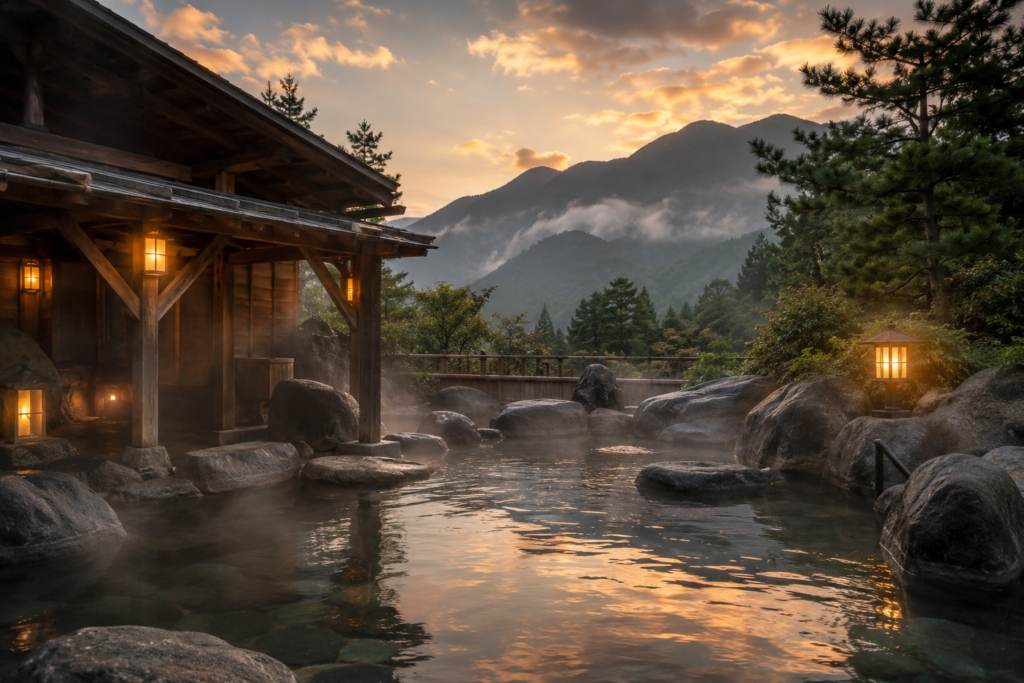
After weeks of meetings, deadlines, screen time, and nonstop decision-making, even a vacation can feel like another item to manage. That is why Japan’s onsen are so appealing: they are not just a place to visit, but a place to recover. For travelers who feel mentally crowded and physically tired, a hot spring stay can be the kind of reset that a normal weekend never quite delivers.
Why Onsen Feel Like a Real Reset
Onsen are natural hot springs, and in Japan they are deeply tied to wellness, tradition, and slow travel. Their appeal comes from more than warm water alone. The mineral-rich springs, peaceful settings, and unhurried rhythm of an onsen town work together to help people unwind in a way that feels both physical and mental.
That is why many visitors describe an onsen trip as a true pause. The heat can help loosen tense muscles, the quiet can calm an overworked mind, and the slower pace can create the feeling that time is finally on your side again. For professionals living with fatigue and stress, that combination is hard to beat.
The Health Benefits of Onsen
The benefits of onsen are often felt immediately, but there is also a practical wellness case behind them. Hakone’s official guide explains that different spring types may support circulation, ease muscle pain, reduce stiffness, and help with fatigue, sleep issues, and general discomfort. It also notes that some waters have skin-softening effects, especially alkaline or chloride springs.
Research supports some of the broader wellness associations too. A study in Japan found a positive relationship between hot spring bathing habits and subjective mental health, suggesting that regular soaking may be linked with greater calm and satisfaction. Other reporting has connected evening hot spring bathing with lower hypertension prevalence in older adults, which adds to the sense that onsen are more than just a pleasant tradition.
For many travelers, the biggest benefit is the one that is hardest to quantify: the feeling of truly switching off. When your body warms, your breathing slows, and your surroundings go quiet, stress stops feeling like the center of your day.
Best Onsen in Japan by Region
Japan has incredible onsen choices across the country, but some destinations stand out depending on the type of escape you want. The following regions make a great shortlist for a first or second onsen trip.
Kanto: Hakone and Kusatsu
Hakone is a convenient, scenic introduction to onsen culture, polished, easy to reach from Tokyo, and offering many hot-spring styles. Kusatsu is a more traditional choice, famed for its strong waters and long-established bathing culture.
Kansai: Arima and Kinosaki
Arima Onsen brings history and refinement as one of Japan’s oldest spa towns. Kinosaki is charmingly ritualistic, stroll in a yukata and hop between public baths over an evening.
Central Japan: Gero, Izu, and Wakura
Gero is known for soft, skin-friendly waters and a calm town vibe. Izu combines ocean views, great food, and resort comforts. Wakura offers a quieter, coastal, traditional onsen experience.
Kyushu: Beppu, Yufuin, and Kurokawa
Beppu is adventurous and varied, with dramatic geothermal features. Yufuin is a boutique, scenic alternative; Kurokawa is intimate and traditional, together they make Kyushu ideal for onsen-focused travel.
Hokkaido and Tohoku:
Noboribetsu and Ginzan
Noboribetsu impresses with volcanic landscapes and steamy winter views. Ginzan Onsen is picture-perfect; wooden ryokan by the river, ideal for a romantic, atmospheric stay.
Unique Onsen Worth Knowing
Some onsen in Japan stand out because they are not only relaxing but also unusual enough to become a story in themselves. Japan’s tourism materials highlight experiences like themed baths, river baths, and sand baths as part of the country’s broader onsen culture.
Kowakien Yunessun in Hakone is famous for themed bathing experiences, while Beppu offers sand baths and other geothermal styles that go beyond the ordinary soak. Kawayu Onsen in Wakayama is especially memorable because hot spring water flows directly into the river, creating a natural and unusual bathing landscape. These kinds of places are great for travelers who want something they can talk about long after the trip ends.
Which Onsen Fits You
- Choose Hakone if you want convenience and a first onsen trip that feels smooth.
- Choose Kusatsu if you want a classic, tradition-rich bath town.
- Choose Kinosaki if you want a slow, walkable, bath-hopping experience.
- Choose Gero if you want a soothing wellness-focused stay.hakone-japan+1
- Choose Beppu if you want the most unusual onsen experiences.
- Choose Ginzan if you want winter scenery and a romantic atmosphere.
A good onsen trip does more than fill a day. It changes the pace of the trip itself. Instead of rushing from one sight to the next, you slow down, breathe more deeply, and let the experience work on you from the inside out.
That is why Japan’s onsen are such a strong match for modern travelers, especially those carrying stress from work. They combine wellness, scenery, and cultural depth in a way that feels both rewarding and memorable. And unlike many travel trends, this one has lasted for generations because it still does what it promises: it helps people feel better.
If your next trip to Japan is meant to be more than a checklist of attractions, make room for an onsen stay. Choose a region that matches your travel style, book at least one night in a traditional ryokan, and give yourself the chance to slow down in a place designed for recovery. Japan has many beautiful experiences, but few are as quietly transformative as a hot spring soak that lets your body breathe again.