
From Rejection to Global Brand: Howard Schultz and Starbucks Story
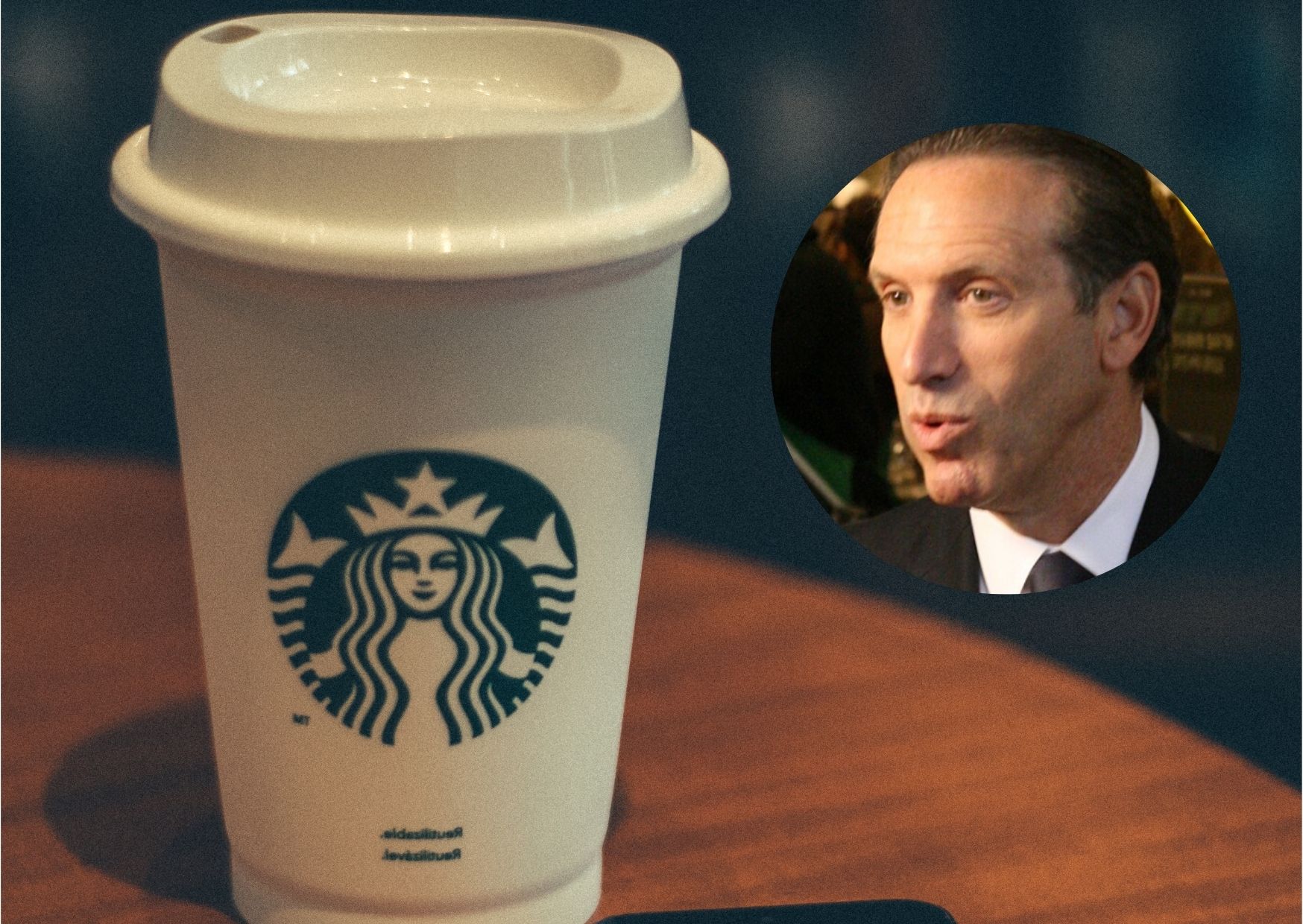

The Starbucks Success Story and Lessons on Persistence, Rejection, and Building a Business That Lasts
Most people know Starbucks. Few know how close it came to never becoming what it is today. The story of Howard Schultz is really a story about rejection, persistence, and staying long enough to win.
An idea that wasn’t fully accepted at first.
An idea that didn’t immediately convince people.
An idea most would have quietly let go.
But Howard Schultz didn’t. And that’s exactly why it worked.
If you’re stuck in a 9–5 job, thinking about starting something of your own, but hesitating, overthinking, or doubting yourself, then this story is for you.
Howard Schultz wasn’t one of the original founders of Starbucks.
The company was started in 1971 by Jerry Baldwin, Gordon Bowker, and Zev Siegl. Back then, Starbucks didn’t even serve drinks, it only sold coffee beans and equipment.
Schultz joined the company years later as an employee.
But he saw something others didn’t.
During a trip to Italy in 1983, he noticed something simple, but powerful: coffee shops weren’t just places to buy coffee. They were part of everyday life. People stayed, talked, and connected.
Coffee wasn’t just the product. The experience was.
That insight changed everything.
When he brought the idea back to the U.S., it wasn’t fully embraced. The founders were cautious about turning Starbucks into a café experience.
So Schultz made a bold decision. He left and started his own coffee business, built around the experience he saw in Italy. And it wasn’t easy.
He had to raise money. He faced rejection from investors, again and again. The kind of resistance that makes most people question everything and eventually give up.
But he didn’t.
In 1987, Schultz acquired Starbucks and began transforming it into the brand we know today, built not just on coffee, but on experience, atmosphere, and connection.
This is the part people often don’t see.
Not the global expansion.
Not the iconic brand.
But the uncertainty.
The slow progress.
The moments when nothing seemed to work.
The pressure to stop, from others, and from within.
What made Howard Schultz different wasn’t just his idea. It was his consistency.
He stayed with the idea longer than most people would.
He kept refining it.
He kept showing up.
He kept building, one step at a time.
And over time, that consistency compounded.
Today, Starbucks operates in dozens of countries around the world.
But when you walk into one, what you feel, the ambiance, the music, the familiarity, that all traces back to one simple insight:
People don’t just come for coffee.
They come for how it makes them feel.
So if you’re in a 9–5 job right now, thinking:
“Maybe I should try something…”
“Maybe I already tried, but it didn’t work…”
Remember this:
You don’t need a perfect idea.
You don’t need to quit your job tomorrow.
You don’t need everything figured out.
What you need is the willingness to continue when things feel slow, uncertain, and invisible.
Start small.
Work on it after hours.
Test ideas.
Adjust. Improve. Repeat.
And most importantly, don’t stop halfway.
People will doubt you. Some will question your ideas. Even those closest to you might not fully understand your vision. There will be moments when you feel stuck, lost, or like nothing is working.
Keep going anyway.
Because success in entrepreneurship isn’t about one big moment.
It’s about staying in the game long enough for your effort to finally make sense.
Most people don’t fail because their ideas are bad.
They fail because they stop too early.
So if you’re in the middle of building something right now, whether it’s starting your own business, applying for new jobs, or simply working toward a goal, don’t stop just because you keep facing rejection.
Rejection doesn’t mean you’re far from success.
Sometimes, it means you’re getting closer than you think.
Progress doesn’t always look like momentum.
Sometimes it looks like silence, doubt, and doors closing.
But that doesn’t mean it’s not working.
So keep going.
Keep showing up.
Keep refining.
Because you might be closer than you realize.